Know your pest.
Control it with confidence.
Snap a photo, get instant identification, biology, behaviour and proven control methods — backed by entomological data.
Know your pest. Control it with confidence.
MyPestPal™ puts expert pest knowledge in everyone's pocket — fast, accurate, and grounded in real science. An AI pest companion built to pair instant identification with entomology-grade biology, behaviour, and IPM-aligned control.
Our mission
Photo identification
Upload or snap a photo. Our vision AI returns species, confidence and risk in seconds.
Biology & behaviour
Lifecycle, anatomy, habitat and activity patterns — the why behind every infestation.
Proven control
IPM-aligned chemical, mechanical and cultural methods, ranked by effectiveness.
Featured pests
A taste of the library.
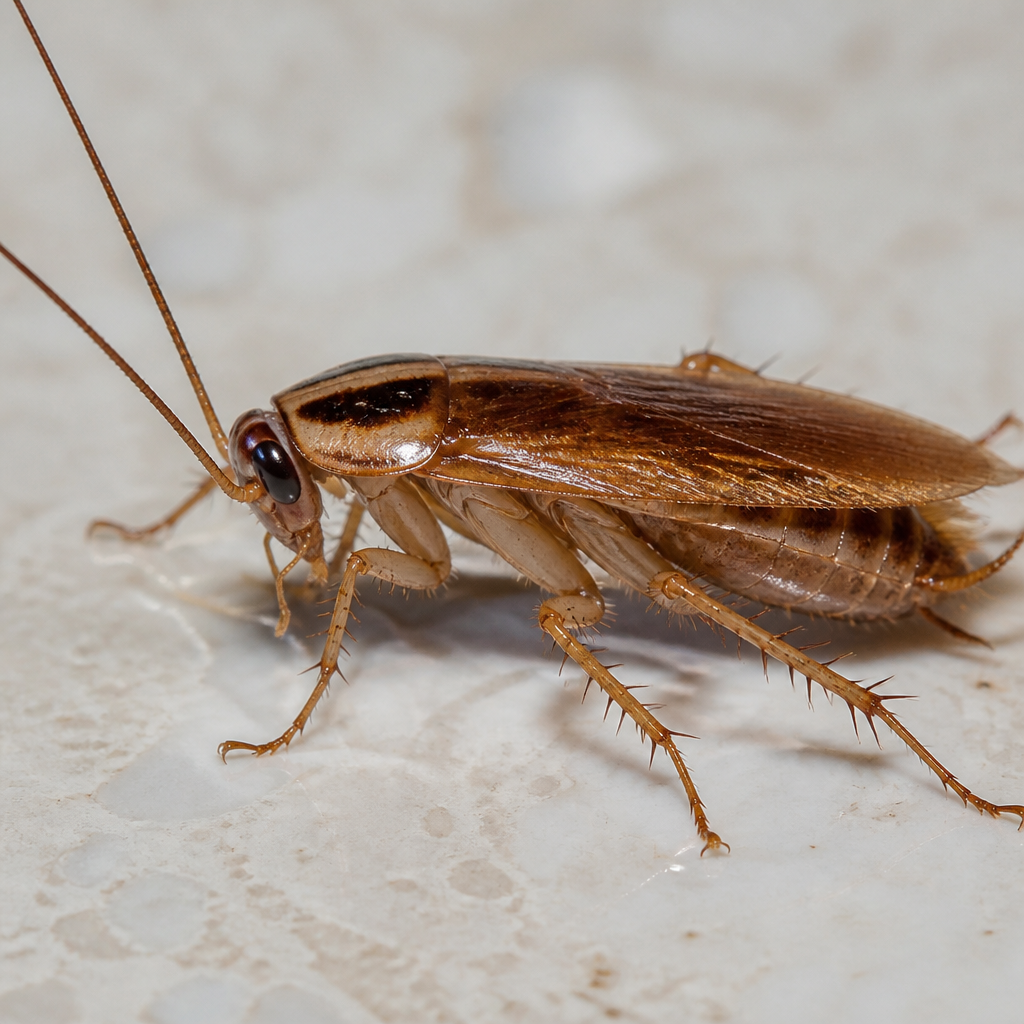
German Cockroach
Blattella germanica
Primarily nocturnal, German cockroaches exhibit thigmotactic behavior, preferring tight crevices, and are gregarious, communicating through aggregation pheromones present in their feces and cuticular hydrocarbons. Their feeding ecology is highly omnivorous, consuming virtually any organic matter, including foodstuffs, grease, starches, glues, and even their own cast skins or frass (coprophagy), which aids in pheromone dissemination. While not outwardly aggressive, their presence induces public health risks by mechanically vectoring over 40 species of pathogenic bacteria, viruses, fungi, and protozoa through contamination of food and surfaces via regurgitation and fecal deposition, and their shed exoskeletons and frass are potent allergens and asthma triggers.
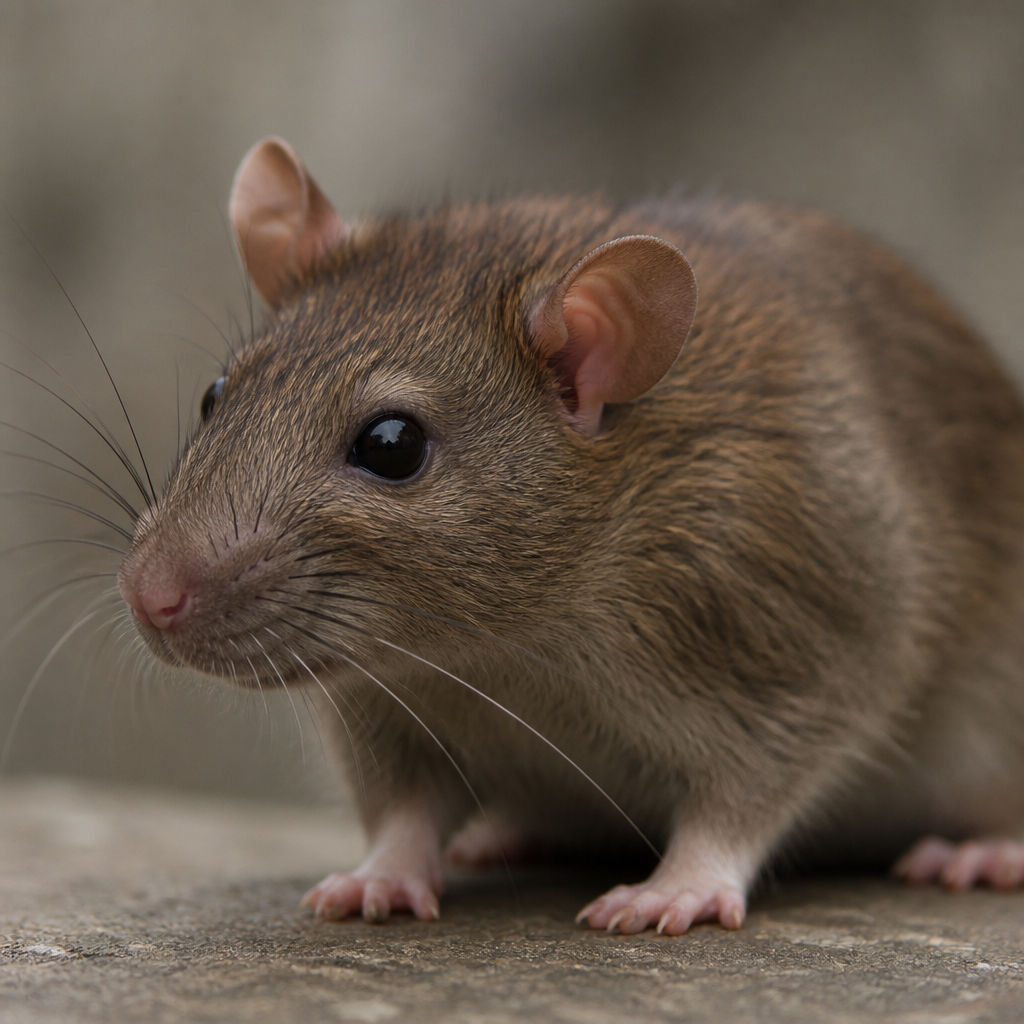
Norway Rat
Rattus norvegicus
Norway rats are primarily nocturnal, exhibiting crepuscular activity spikes at dusk and dawn. They are highly social, living in colonies with complex hierarchies, and communicate using a variety of vocalizations, tactile signals, and olfactory cues, including pheromones for reproductive and territorial marking. Dispersal typically occurs over short distances, with young males traveling further from the natal nest. Their diet is omnivorous and opportunistic, consuming grains, meats, fruits, and refuse, often caching food. When threatened, they can be aggressive, biting and scratching, particularly females defending litters. Their incessant gnawing behavior poses significant structural risks, damaging electrical wiring—a leading cause of electrical fires—and undermining foundations, alongside their role as vectors for numerous pathogens including Leptospira, Salmonella, Hantavirus, and Yersinia pestis (indirectly, via fleas).
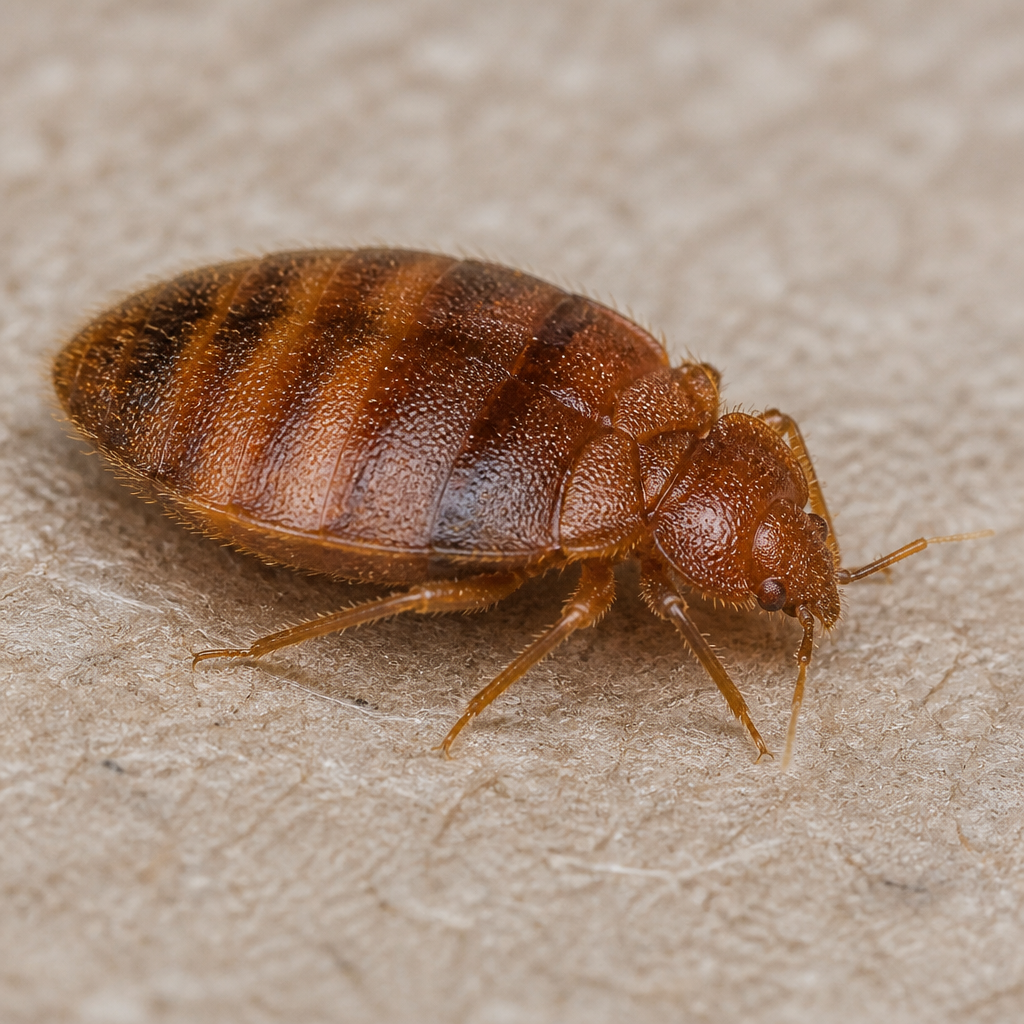
Bed Bug
Cimex lectularius
Bed bugs are primarily nocturnal, displaying peak activity in the hours before dawn, coinciding with periods of deep human sleep, although opportunistic feeding can occur at any time if hosts are sedentary. They locate hosts primarily through thermoreception (body heat) and chemoreception, detecting exhaled carbon dioxide and other host kairomones like lactic acid. While not social in a true sense, bed bugs exhibit aggregative behaviors, mediated by arrestment pheromones contained within their fecal matter, leading to the formation of 'harborages.' Their feeding involves a salivary anesthetic and anticoagulant, resulting in painless bites that often manifest as clustered lesions or linear arrangements, commonly referred to as 'breakfast, lunch, and dinner.' Bites themselves rarely transmit pathogens, but reactions to saliva can cause significant dermatitis and secondary infections from scratching.
What's new
Recently shipped features and improvements now live in MyPestPal.
Camera-first identification
Snap a photo straight from your device for instant AI pest matching.
AI confidence scoring
Every match now shows a confidence score with clear verify-before-acting guidance.
Expanded pest library
New categories including blood feeders, stored product pests, bats, spiders, and more ants.
Prep sheets & exclusion tools
Downloadable checklists and exclusion guides to keep pests out for good.
What's to come
Features we're building next — coming to MyPestPal soon.
Seasonal pest alerts
Get notified when pests in your area are likely to become active.
Pest lifecycle galleries
More life-stage photo sets for common insects and rodents.
Regional pest guides
Localized recommendations based on climate and geography.
Pro business dashboard
Team access, reporting, and multi-location pest tracking for professionals.